Website Design for Builders — Win More Construction Projects Online
A builder's website is not a brochure — it is the place where a homeowner decides whether you are worth a six-figure contract. People researching builders spend more time on a website than they spend on almost any other trade. They study your portfolio, check your credentials, and read your process before they ever make contact. We build websites that reward that scrutiny.
Book a Discovery Call
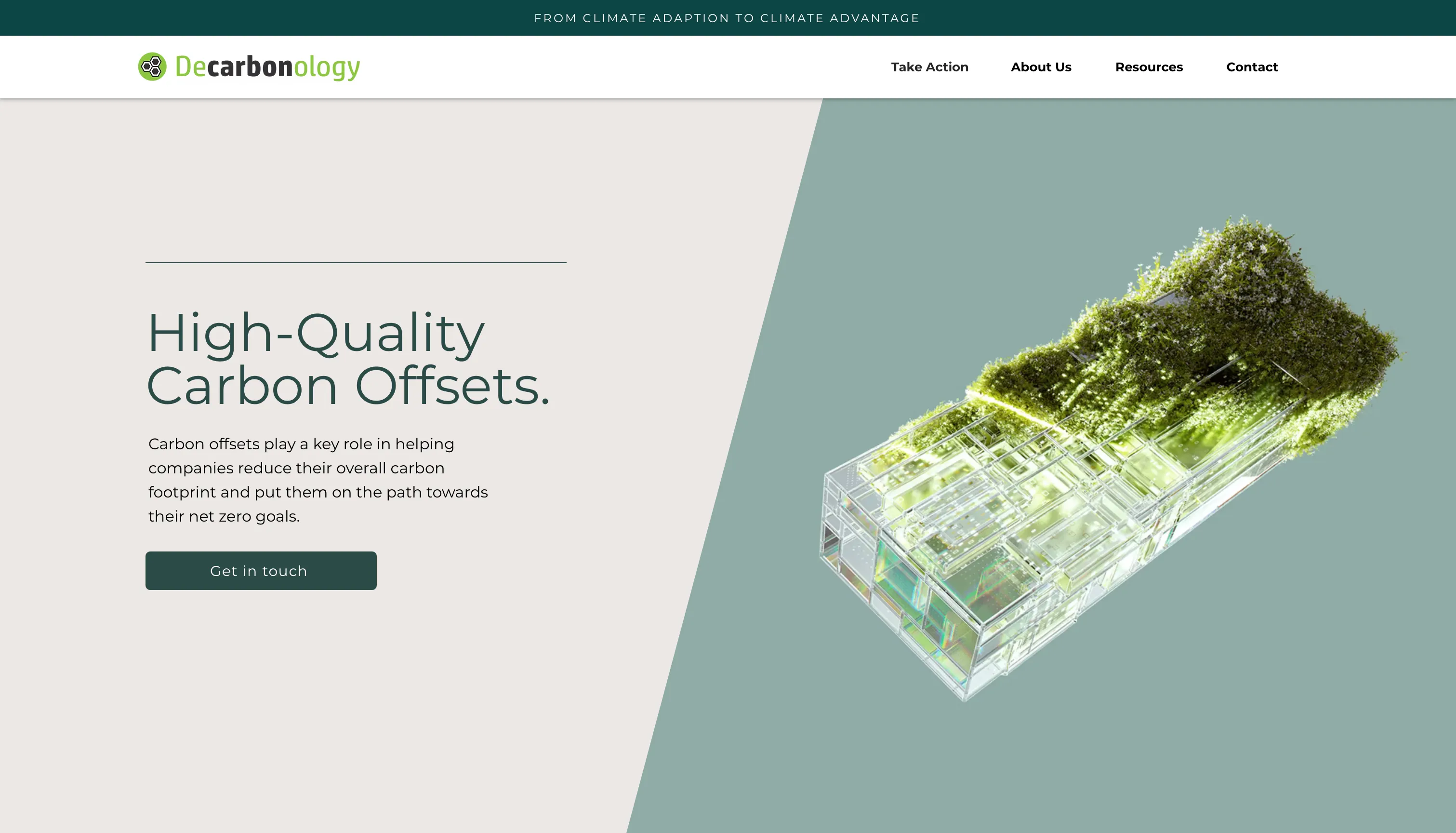
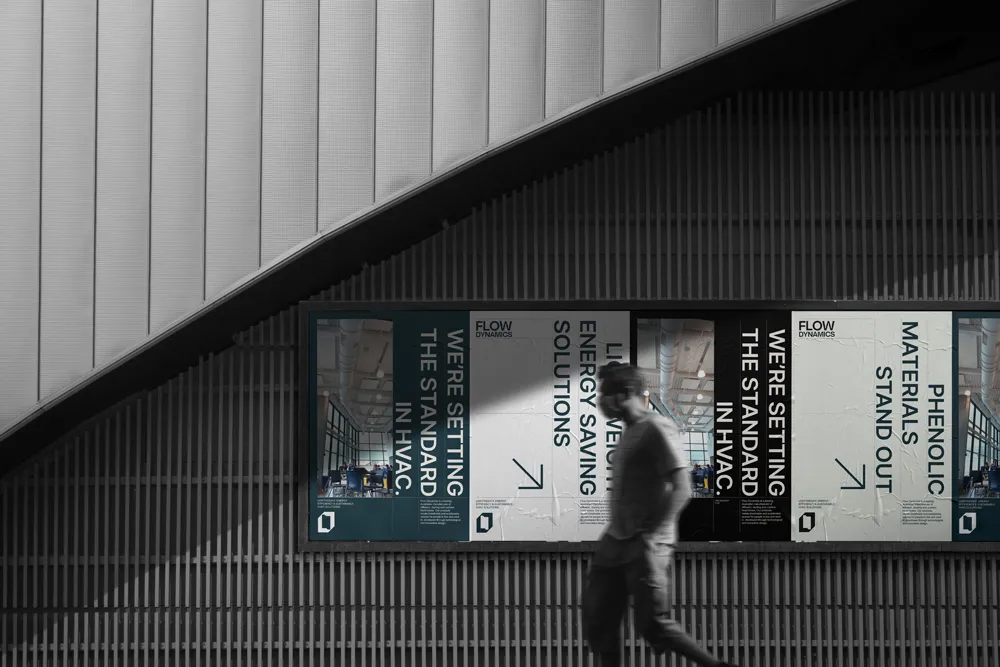
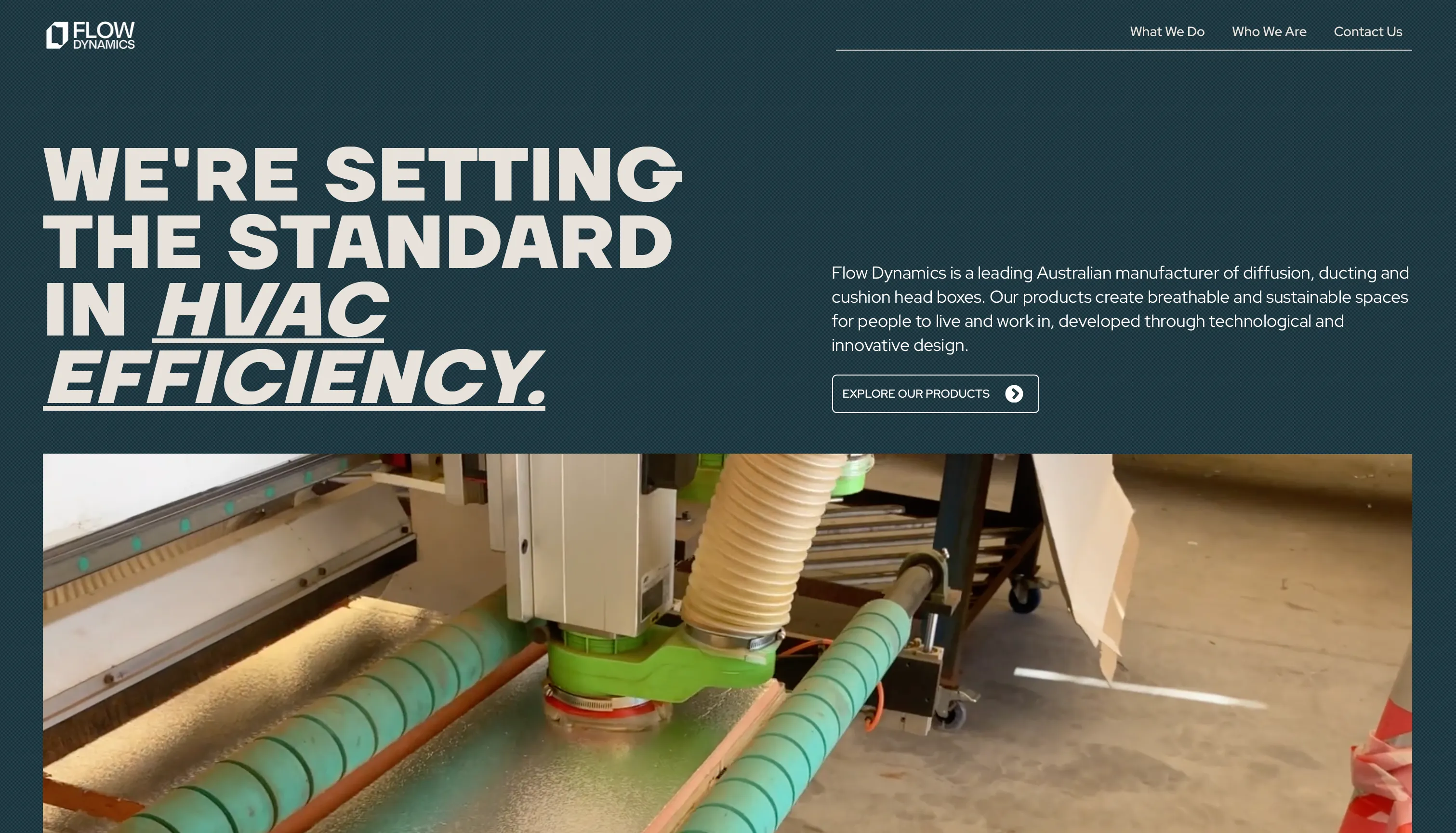


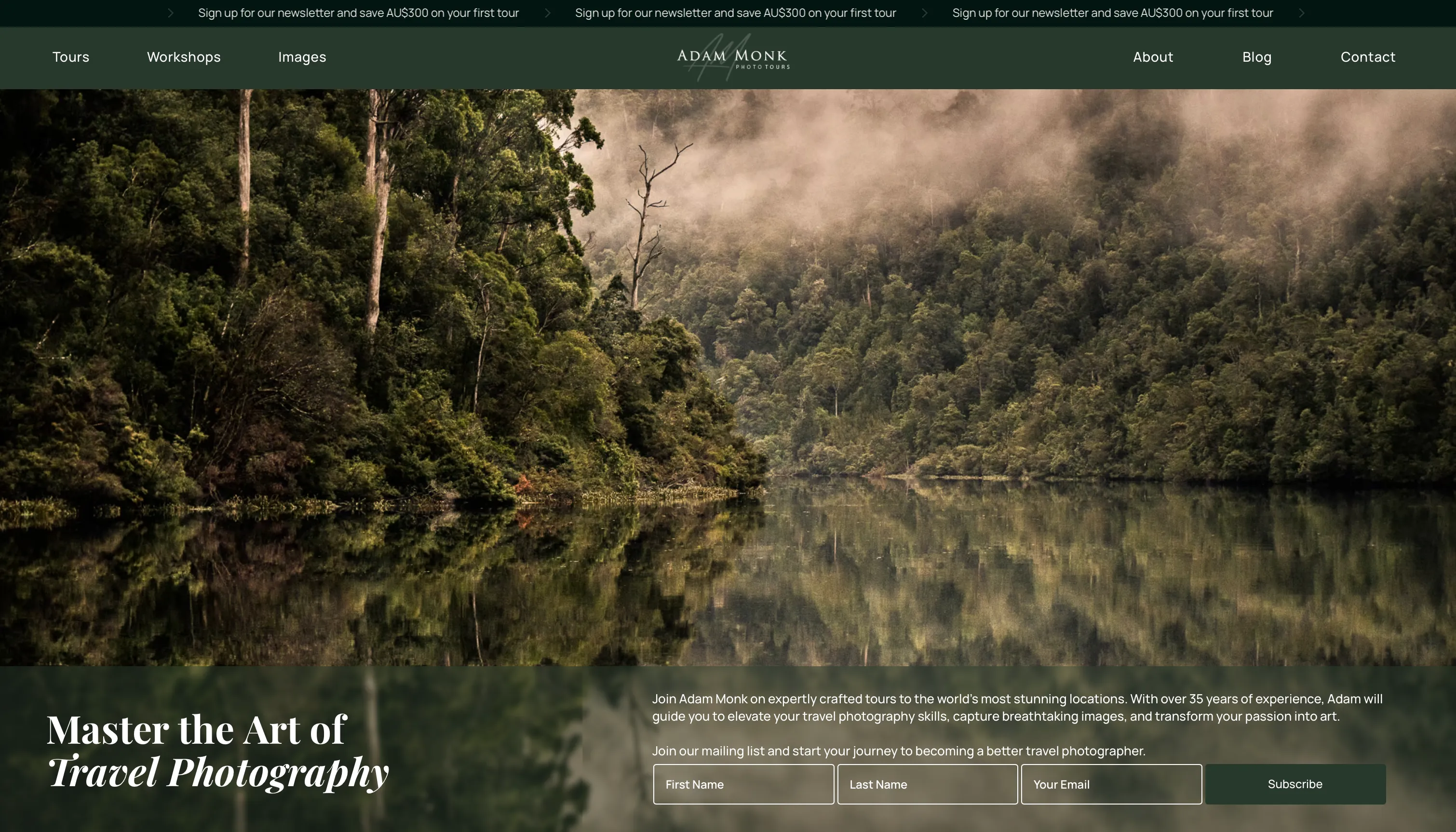









Showing the full project lifecycle
The single biggest question homeowners have when choosing a builder is not "what will it cost?" — it is "what is it actually going to be like working with you for the next twelve months?" Building projects are long, disruptive, and expensive. The homeowner who is about to commit to a builder wants to understand the journey before they sign.
We structure builder websites around your project lifecycle — from the initial consultation and site assessment, through design collaboration and council DA submissions, into the construction phase, and through to practical completion and handover. Each stage gets its own content explaining what happens, what the client's involvement looks like, and what to expect in terms of timeline. This is not a generic process diagram. It is your process, described in enough detail that a prospective client finishes reading it and feels like they already understand how your business operates. Builders who communicate process clearly attract clients who are ready to commit, rather than tyre-kickers collecting quotes they never intend to accept.
Portfolio strategy: matching projects to the clients you want
Not all building work is equal, and your portfolio should not treat it as if it is. A spec home buyer, a custom build client, and someone planning a major renovation are three completely different people with different budgets, different expectations, and different evaluation criteria. Showing all your work in a single gallery forces every visitor to sift through projects that are not relevant to them.
We organise builder portfolios into distinct categories — custom homes, spec builds, renovations and extensions, knockdown rebuilds, and commercial work if applicable. Each category functions as its own curated gallery with dedicated landing pages that attract the right search traffic. A couple researching custom home builders wants to see architecturally designed homes with detailed scope descriptions and quality finishes. A developer looking for a spec builder wants to see efficiency, consistency, and volume. Mixing these audiences dilutes the impact for both.
Within each category, we build individual project pages that go beyond a photo slideshow. The brief from the client, the design challenges, the construction timeline, the materials selected, and the final result — documented in a way that demonstrates both capability and transparency. Where possible, we include the general location of each project because homeowners want to see that you have built in their area or in suburbs they consider comparable.
A residential builder in Melbourne had a portfolio page with forty photos in a single grid — renovations mixed with new builds mixed with commercial fit-outs. We reorganised his work into four distinct categories with dedicated project pages for his six best builds. Within two months, the quality of his enquiries shifted noticeably. He started hearing "I saw the Kew renovation on your website" in initial consultations — prospective clients were arriving having already studied specific projects that matched their own plans.
Licensing, warranties, and why they matter more than any other trade
Building is the most heavily regulated trade sector in Australia. Every state has different licensing classes, registration requirements, and mandatory warranty insurance obligations. For homeowners, verifying a builder's credentials is not optional — it is the most basic due diligence before committing to a contract that could exceed half a million dollars.
Your builder's licence number, registration class, and the state authority that issued it should be visible on your website without any hunting. But the credential that matters most to homeowners — and the one most builder websites handle badly — is home warranty insurance. In most states, builders are required to hold home warranty insurance for residential work above a certain value. Displaying your insurer, your policy status, and a plain-language explanation of what the warranty covers gives prospective clients confidence that they are protected if something goes wrong. HIA and Master Builders membership logos add further weight, but only if they are current and verifiable. We display these credentials in context alongside relevant service pages rather than isolating them in a footer nobody reads.
Keeping clients informed during the build
Construction timelines run for months. During that period, your clients are anxious, curious, and often frustrated by the pace of progress they cannot see from the outside. How you communicate during a build directly affects whether that client becomes a referral source or a detractor.
We build communication features into builder websites that serve this need. Progress photo journals where you or your site manager upload weekly images. Milestone update sections tied to the construction schedule. For builders who want to go further, password-protected project portals where individual clients can log in and see the current status of their build, upcoming milestones, and recent photos. These features do not just keep existing clients happy — they are also powerful sales tools. A prospective client who sees that you maintain a detailed progress journal for every build immediately understands that you are organised, communicative, and accountable. That is worth more than any testimonial.
Planning resources that position you as the expert
Homeowners beginning a building project are overwhelmed by the process before construction even starts. What is a DA? How long does council approval take? Do I need a private certifier? What is a BASIX certificate? These are the questions they are typing into Google at ten o'clock at night, and the builder whose website answers them earns trust before the first meeting.
We create planning and DA resource content that helps homeowners navigate the pre-construction process. Council approval timelines for your local government areas, explanations of the difference between a CDC and a DA, guides to site surveys and soil reports, and overviews of what happens at each stage before a shovel hits the ground. This content serves two purposes simultaneously. It drives organic search traffic from homeowners in the early research phase — people who are six to twelve months away from signing a building contract but are already forming opinions about which builders know their stuff. And it positions you as the knowledgeable builder who helps clients understand the process, rather than the builder who just quotes a number and waits.
Ready to get more leads for your building business?
Get in touch to discuss your project. We'll show you what a high-performing website looks like for your industry.
Book a Discovery CallCommon questions about building websites
How much does a builder's website cost?
Our website packages for building companies start from $5,000 AUD. This includes a project-focused design, enquiry forms, service pages, and local SEO foundations.
Can I showcase completed building projects on the website?
Yes. We build detailed project galleries and case studies featuring your completed work. These can include photos, project descriptions, scope of work, and client testimonials.
Do you display builder's licence details on the site?
Absolutely. We prominently display your builder's licence number, ABN, insurance details, and memberships in associations like Master Builders Australia or the Housing Industry Association (HIA).
How does a website help a builder get more work?
A professional website builds credibility, showcases your portfolio, and captures leads around the clock. Combined with local SEO, it helps you appear when homeowners search for builders in your area.
Can the website show different types of building work?
Yes. We create dedicated pages for new home builds, renovations, extensions, commercial construction, project management, and any specialisations you offer.