Website Design for Accountants — Build Trust and Win More Clients
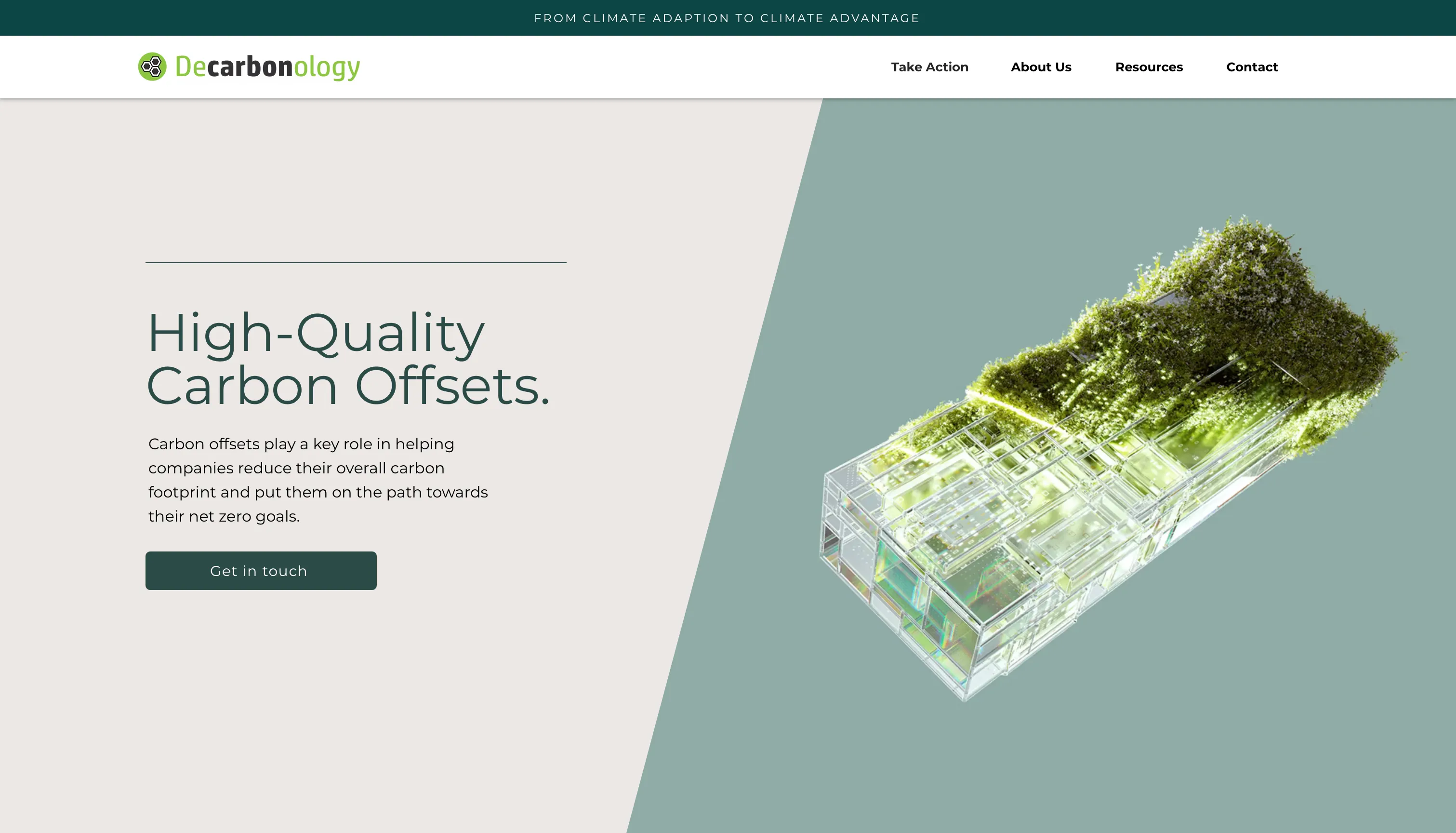
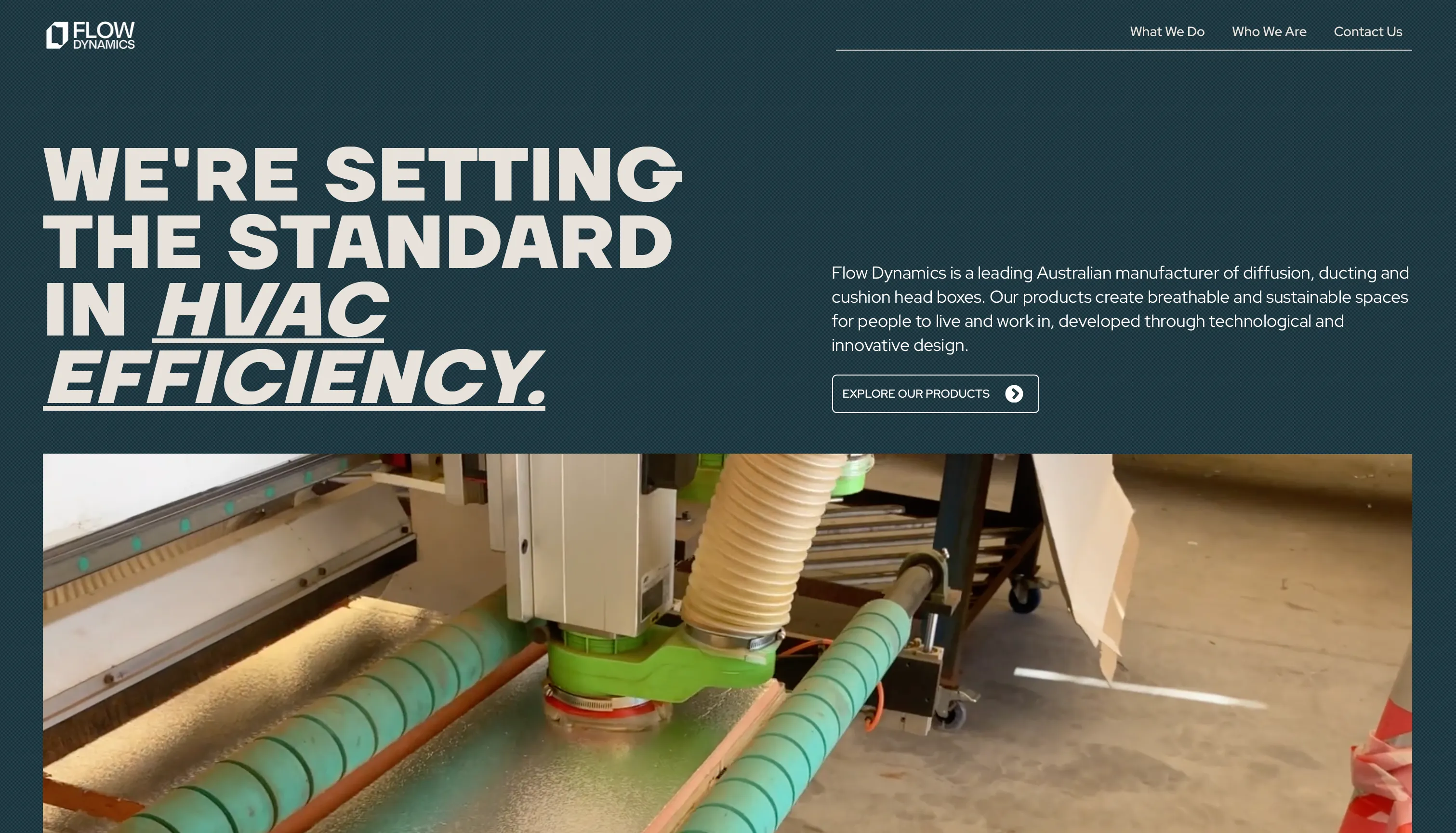
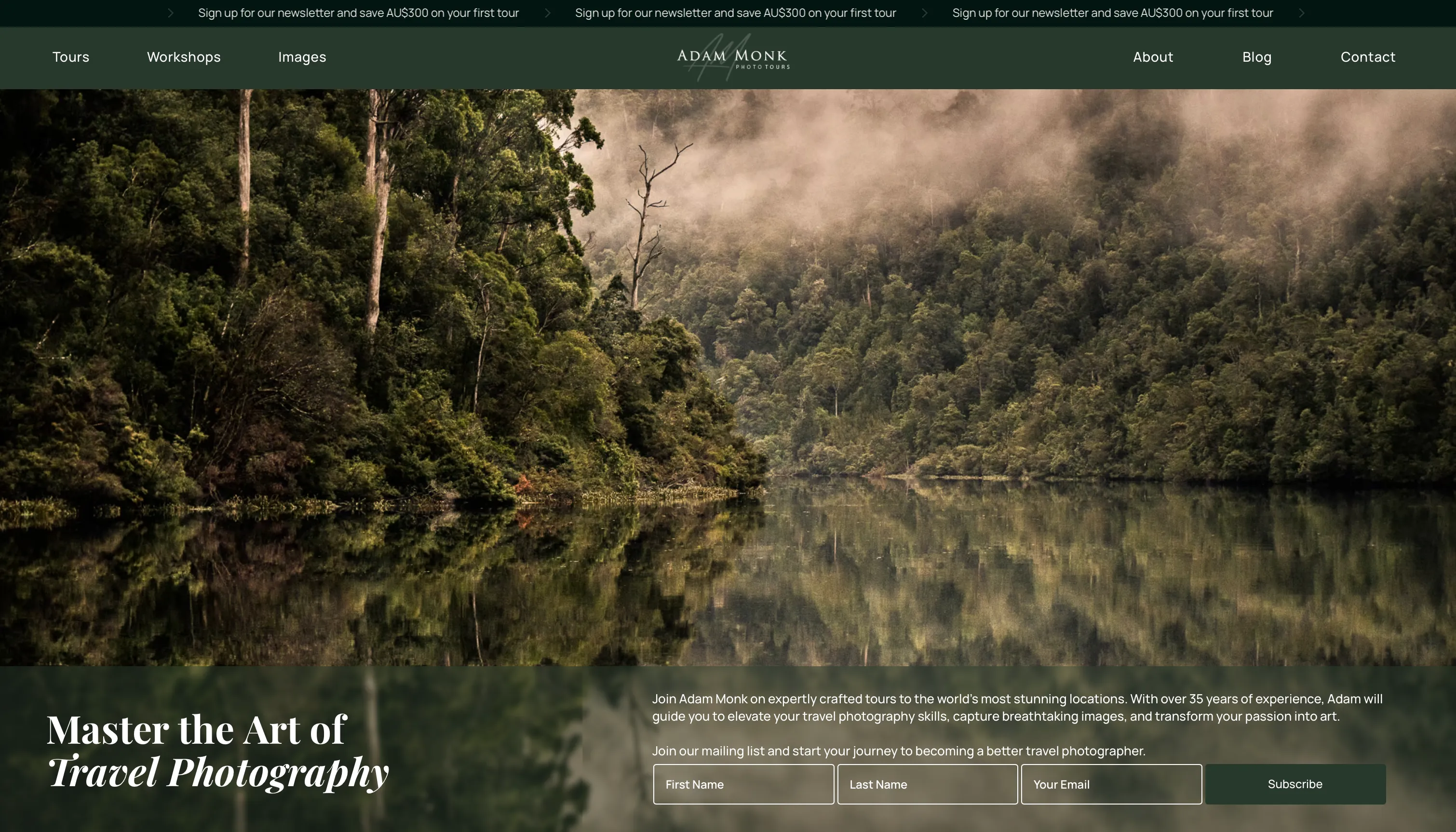
Business owners and individuals choose an accountant based on expertise, trust, and accessibility. Your website is where prospective clients assess whether you understand their industry, offer the services they need, and are the kind of firm they want to work with long-term.
Book a Discovery Call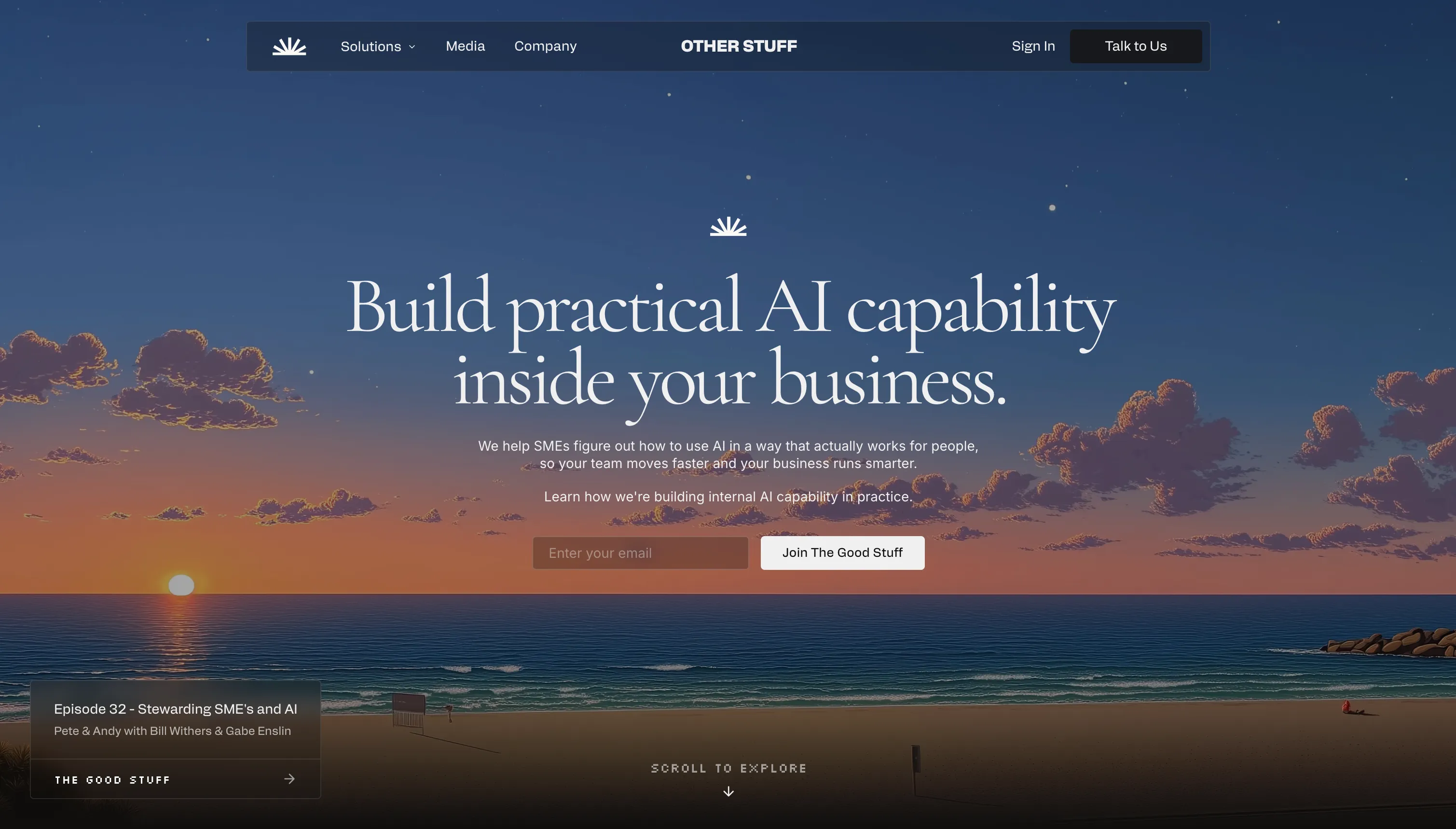













The advisory gap most accounting websites ignore
Most accounting firms now offer advisory services alongside compliance work. Virtual CFO engagements, cash flow forecasting, business strategy sessions, succession planning. These are higher-margin services that attract better clients and build longer relationships. Yet the typical accounting website reads like a tax return factory — BAS preparation, tax returns, company registrations, and not much else.
This is a positioning problem. If your website only talks about compliance, you attract compliance-only clients. The business owner looking for a strategic financial partner scrolls past because nothing on your site signals that you offer what they need. We build accounting websites that give advisory services the prominence they deserve, with dedicated pages that explain what a virtual CFO engagement looks like, what business owners gain from quarterly strategy sessions, and how your firm helps clients grow rather than just stay compliant. When advisory and compliance sit side by side with equal weight, your website starts attracting the clients you actually want.
Industry specialisation pages that convert at 3-5x
Here is a pattern we see consistently. An accountant creates a generic "Services" page listing everything they do. They get some enquiries, but conversion rates are modest. Then they create a page titled "Accounting for Tradies" or "Tax and Advisory for Medical Professionals" — and that single page converts at three to five times the rate of the generic one.
The reason is simple. A plumber searching for an accountant wants to know you understand their industry. They want to see that you know about GST on progress claims, asset depreciation on tools and vehicles, and the tax implications of subcontractor versus employee arrangements. A generic services page cannot communicate that. A dedicated industry page can. We build these specialisation pages with the specific language, pain points, and service details that resonate with each target audience. If your firm serves tradies, medical professionals, property investors, and e-commerce businesses, that is four high-converting pages working around the clock.
A four-partner accounting firm in Perth's northern suburbs launched with industry pages targeting tradies and healthcare providers. Within five months, those two pages were generating more qualified enquiries than the rest of the site combined. The leads arriving through the healthcare page were particularly strong — practice owners looking for advisory-level support, not just annual tax returns.
Preparing for the ATO calendar
Accounting is seasonal in a way that most professions are not. The ATO calendar dictates when your clients need you most, and your website should be ready for those moments months in advance. A landing page targeting "small business tax return" published in May has time to be crawled, indexed, and ranked before the July rush begins. Published in July, it is too late.
We plan content around the key dates that drive search demand. End-of-financial-year pages go live in April. Individual tax deadline content is indexed before October. BAS-related pages target the quarterly lodgement cycle. This is not about publishing a blog post when everyone else does — it is about having dedicated, optimised landing pages already ranking when demand spikes. Between these peaks, content around superannuation contribution deadlines, Single Touch Payroll updates, and changes to instant asset write-off thresholds keeps your site relevant and visible year-round.
Cloud credentialing as a search strategy
Xero Partner. MYOB Partner. QuickBooks ProAdvisor. These badges are not just trust signals for your website — they are search terms with real volume. Business owners search for "Xero accountant Fremantle" or "MYOB accountant near me" because they want someone who already knows their platform. Displaying your cloud accounting certifications prominently serves two purposes. It reassures visitors who already use that software, and it helps your site rank for platform-specific searches that your competitors may be ignoring. We position these certifications with context — not just a logo grid, but explanations of what your Xero partnership means for the client, what level of certification you hold, and how your cloud expertise translates into faster turnaround times and real-time financial visibility.
From prospect to client without friction
The moment a potential client decides to engage your firm, your website's job is not finished. It is entering its most critical phase. Accounting firms that still rely on email chains to collect tax documents and signed engagement letters lose clients to friction and delay. We build onboarding pathways directly into your website. Secure document upload portals where clients can submit tax records, identification, and prior year returns. Digital engagement letter signing that eliminates the print-sign-scan cycle. New client intake forms that capture entity structure, business type, software used, and services required — so your team has what they need before the first meeting.
This is where a well-designed accounting website separates itself from a templated one. The transition from browsing to becoming a client should feel seamless. Every unnecessary step, every confusing instruction, every request to "email us your documents" is an opportunity for the prospect to stall or reconsider. We design the intake experience to feel as professional and considered as the rest of your site, because onboarding is the first real impression your firm makes after someone decides to trust you with their finances.
Ready to get more leads for your accounting business?
Get in touch to discuss your project. We'll show you what a high-performing website looks like for your industry.
Book a Discovery CallCommon questions about accounting websites
How much does an accountant's website cost?
Our website packages for accounting firms start from $5,000 AUD. This includes a professional design, service pages, team profiles, and local SEO setup.
Can clients submit documents through the website?
Yes. We can build secure document upload forms or integrate with client portal systems you already use, making it easy for clients to send tax documents, receipts, and other files.
Do you understand the accounting industry?
We have built websites for multiple accounting and bookkeeping firms. We understand the services you offer, the language your clients use, and the trust signals that matter — such as CPA, CA, or IPA membership and Tax Practitioner Board registration.
How do you help accountants attract new clients online?
We build service-specific pages targeting the searches your ideal clients make — such as 'small business accountant [suburb]' or 'tax return accountant near me.' Combined with Google Business Profile optimisation and local citations, this drives qualified traffic to your site.
Can the website highlight different industries we specialise in?
Absolutely. If you specialise in certain industries — such as trades, medical professionals, or property investors — we create dedicated pages that speak directly to those audiences and rank for relevant searches.